Action RPGs seem to be doing well for themselves lately. Aside from recent hits grounded in the genre, likeElden RingandHorizon Forbidden West, well-established turn-based IPs from Square Enix seem to be leaning into action elements as well.Final Fantasy 16has a big emphasis on action, and it’s possible thatDragon Quest 12: The Flames of Fatewill involve some action elements in its planned combat adjustments. While this genre is clearly strong right now, that doesn’t meanPersona 6needs to join it. On the contrary, Atlus would be better off sticking to its turn-based roots.
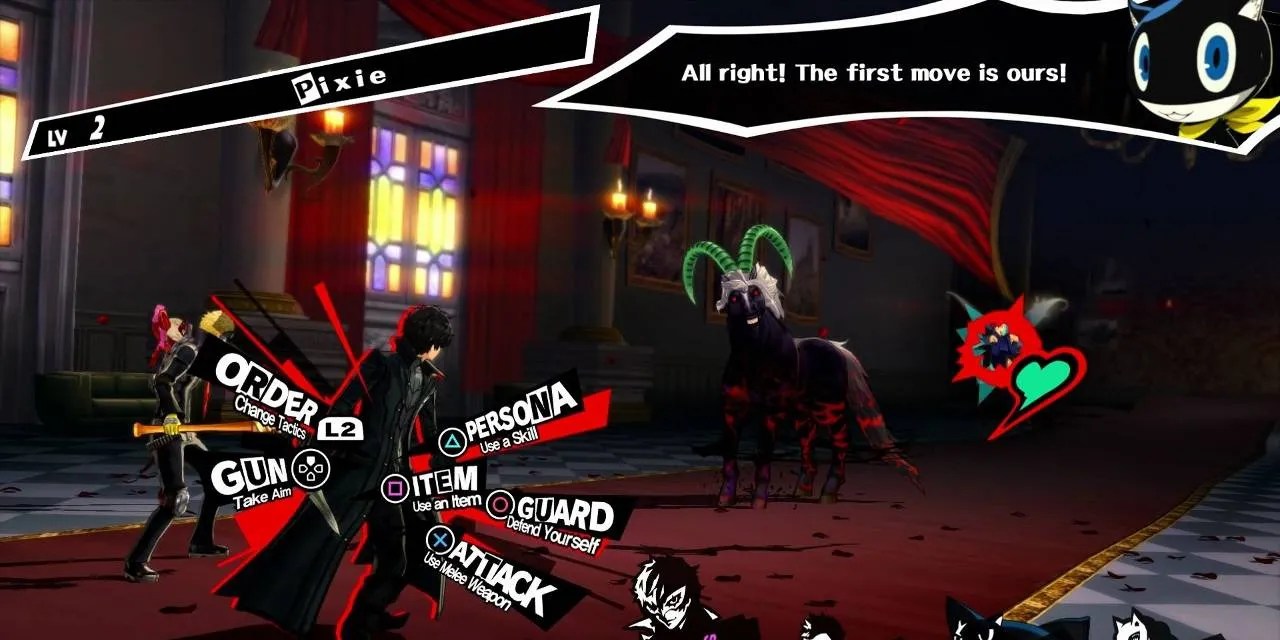
Personaand turn-based combat go hand in hand. Not only does thePersonafranchise have its own rich history of turn-based combat stretching back to the 1990s, but it inherits a legacy from its parent franchiseShin Megami Tensei, which continues to influence it to this day. Atlus has long proven that it loves sticking to tradition, so the odds of an action RPG switch probably aren’t high, but the genre’s success could make it tempting nevertheless. IdeallyPersona 6will instead double down on the IP’s turn-based conventions and innovate on what it knows best, rather than stepping out into something totally different.
RELATED:Persona 3 Portable Has a Great Lesson to Teach Persona 6’s Playable Party Members
Persona 6 Should Respect Its Turn-Based Heritage
One major reason thatPersona 6shouldn’t become an action RPG is its recent international breakthrough. WhilePersonahad its international fans before, thePersona 5suite of games has vastly increased the size of the fanbase. It would be rather jarring if all these players newly fell in love with a turn-based JRPG series, only to see it suddenly shift into an action franchise. That dissonance could turn some recent fans away.Personahas established a clear identity with new fans that’s worth preserving.
An action turn could also hamperPersona’s spinoff potential. Themusou-style gamePersona 5 Strikersshowcased thatPersonacan definitely work in an action-oriented gameplay loop, providing thrilling hack-and-slash encounters while preserving the key fantasy of wielding Persona powers strategically.Strikershas plenty of potential as a new spinoff series, joining the ranks ofPersona Arenaand thePersonadancing games, but if the whole IP became action-based, thenStrikerswould feel a little obsolete. Keeping the main games turn-based would leave the door open to more musou titles that capitalize onPersona 5 Strikers' success.
Perhaps the simplest reason, however, is simply that joining the action RPG trend would fail to makePersona 6stand out. Even with the strength of thePersonabrand, taking an action RPG turn now would be far too obvious an imitation ofFinal Fantasy’s directionto feel special or creative. There’s not much sense in Atlus moving away from its area of expertise, only to hop on a bandwagon. In fact,Personamight actually compete better with its JRPG peers if it sticks to its conventions and provides the highest quality turn-based play it can muster, since it’d give fans of the genre somewhere obvious and reliable to turn if the AAA action RPG market doesn’t suit their tastes.
None of this is to say that thePersonacombat system is perfect.Persona 5andPersona 5 Royalare noticeably easier games than the previous few generations, despite having more complicated combat systems; preset dungeon designs and crucial mechanics likePersona 5’s Baton Passgive players far more control over the game loop than before. IdeallyPersona 6will acknowledge this and find ways to turn up the heat while keeping the games accessible, potentially by keepingPersona 5 Royal’s player-side systems in place and focusing on generating tougher enemy designs. Atlus has the know-how to keepPersona’s traditional combat fresh, so hopefully it doesn’t feel too tempted by the recent success ofPersona’s action RPG cousins.
Persona 6is in development.
MORE:Mechanics That a Persona 3 Remake Should Take From Persona 5 Royal
