ThePersonaseries is a long-running franchise, with nearly each numbered entry forming its own sub-franchise.Personaitself started as a spin-off ofShin Megami Tensei, and has perhaps dwarfed the original franchise in name recognition and popularity. The two franchises are mostly made up of standalone stories, and don’t share much continuity.
However, the universes of the two franchises are similar, and they share many game mechanics and themes. Even ifthePersonaserieshas become an entirely new beast, its origins inShin Megami Tenseistill remain clear.

RELATED:Why Rushing Into Persona 6 Wouldn’t Be a Good Thing
The Persona Series' Origins
Persona’s history starts with theShin Megami Tenseientry titledShin Megami Tensei If…, a game that focused on a smaller-scale story set inside a high school.SMTIf…stars an unnamed boy or girl as the protagonist, fighting demons inside Karukozaka High School. The game has multiple endings, encouraging new playthroughs in order to see the entire story.SMTIf…was popular enough for Atlus to develop a new spin-off based on the setting.The firstPersonatitleintroduced a full party of Persona users and the concept of alternate selves existing alongside the “main” self. This game also proved to be popular, and it kicked off the franchise that still runs today.
Persona 3is the entry of the franchise where the modernPersona"style" first appeared. This is when Shigenori Soejima took over as character designer and Katsura Hashino became series director. Daily life simulation elements and Social Links became major parts of gameplay. This style in both visuals and gameplay would continue into the fourth and fifth mainPersonaentries. By the timePersona 5came out, theShin Megami Tenseilabel was dropped from the game’s official title. There’s a clear gap between “classic"Personaand the latter three games, and the latter three tend to gain more recognition in gaming popular culture.

Similar Game Mechanics Between SMT and Persona
Both franchises are made up of JRPGs where players can recruit demons or Personas as allies. Demons and Shadows/Personas share designs between the franchises, with some like Jack Frost becoming mainstay icons.Personagames always have a main party of characters, whereShin Megami Tenseigames tend to focus on one playable human protagonist. TheSocial Linksor life simulation mechanics inPersonawouldn’t be found inShin Megami Tensei.
One of the more iconic mechanics ofShin Megami Tenseiisdemon negotiation. Demons can be convinced to join the player’s party through conversation, leading to odd and often amusing interactions. The originalPersonaandPersona 2stuck closer to theSMTgames by including demon negotiation, but the mechanic got left behind inPersona 3andPersona 4. Instead, those latter two games involved collecting Persona cards. Negotiation came back as the main Persona recruitment method inPersona 5, which was a plus for fans ofShin Megami Tenseiand the originalPersonagames.
WhileShin Megami Tenseihas plenty of spin-offs, it’sPersonathat gets more experimental with the genres of its spin-offs.Persona’s spin-off games include rhythm games,fighting games, andEtrian Odyssey-style dungeon crawlers.
Gods and Demons
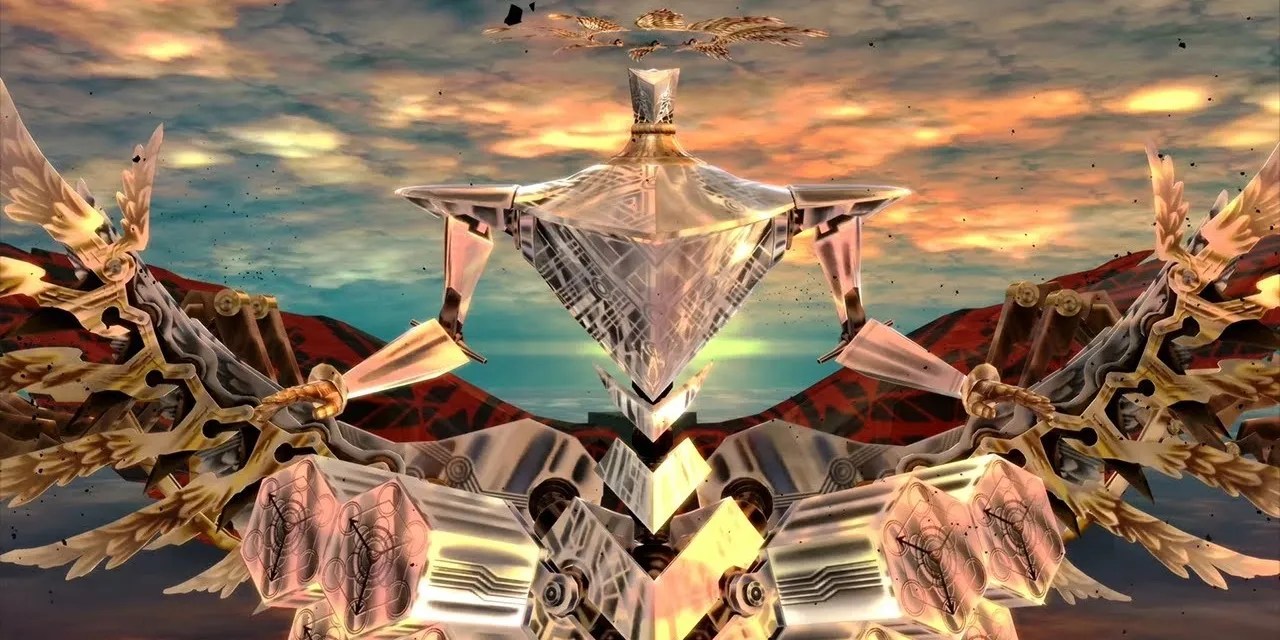
There are common thematic elements shared betweenSMTandPersona, particularly how religious/mythological figures affect the ordinary world.Shin Megami Tenseigames tend to have a larger worldwide scale, wherePersonagames typically focus in on a specific group of people or specific area.SMTgames often involve fighting a power-hungry god of some kind, and fights against the gods are also common endgame battles inPersona. Yaldaboath inPersona 5is an excellent example of this kind of endgame divinely-scaled battle.
Themes of philosophy and psychology are prominent in both franchises, and exploration of humanity’s relationship to the divine or supernatural. Different cultures' mythologies and philosophies will all come together in a sometimes bizarre but always compelling story. One main difference between the two franchises is thatPersonais more grounded in reality;Shin Megami Tenseigames often have urban fantasy or full fantasy settings.
Ultimately,Shin Megami TenseiandPersonaare similarbut very much separate franchises. That said, fans ofPersonaare likely to enjoySMTgames if they’ve yet to dive into the original series. There’ll be familiar designs and gameplay tactics in both franchises, but they’re also different enough between entries to provide a fresh new experience.
Shin Megami Tensei 5, is set to release on July 31, 2025.
MORE:Shin Megami Tensei 5 Is A Subtle Step Forward for Atlus
