The DM of anyDungeons & Dragonscampaign needs to remember many details. They make tons of notes about the campaign they are running. They make the story come to life for the players to enjoy. It is up to them to know the ins and outs of the world that the players will roam around in.
RELATED:Tabletop Games To Play If You Like Dungeons & Dragons

Why should the Dungeon Master inDungeons & Dragonsneed to remember more when the players can remember it themselves? Players need to know more information to help the campaigns run smoothly and give the DM a break.
Updated on September 12th, 2022 by Hodey Johns:One of the best things about Dungeons & Dragons can also be one of the worst things. The game is expanding all of the time. Even those who only buy the core books will find that the rules change with regularity. Staying on top of the rules and mechanics of Dungeons & Dragons is overwhelming for a single player; even the best DM will experience moments of doubt. However, groups should function as a team, not a top-down hierarchy. Players that make their DM’s life a bit better will enhance their own experience as well as the experience of everyone around them. This list has been updated to be more specific and give players exact pointers on how to be the most helpful.

10Spell Details
The “how does this spell work” casters can grind the entire flow of a battle to a halt. Casters should know the following:
It’s harder to play a caster than a fighter, rogue, or monk. If spellcasting seems overwhelming, stick to a simpler class until understanding spells better.

9Passive Perception
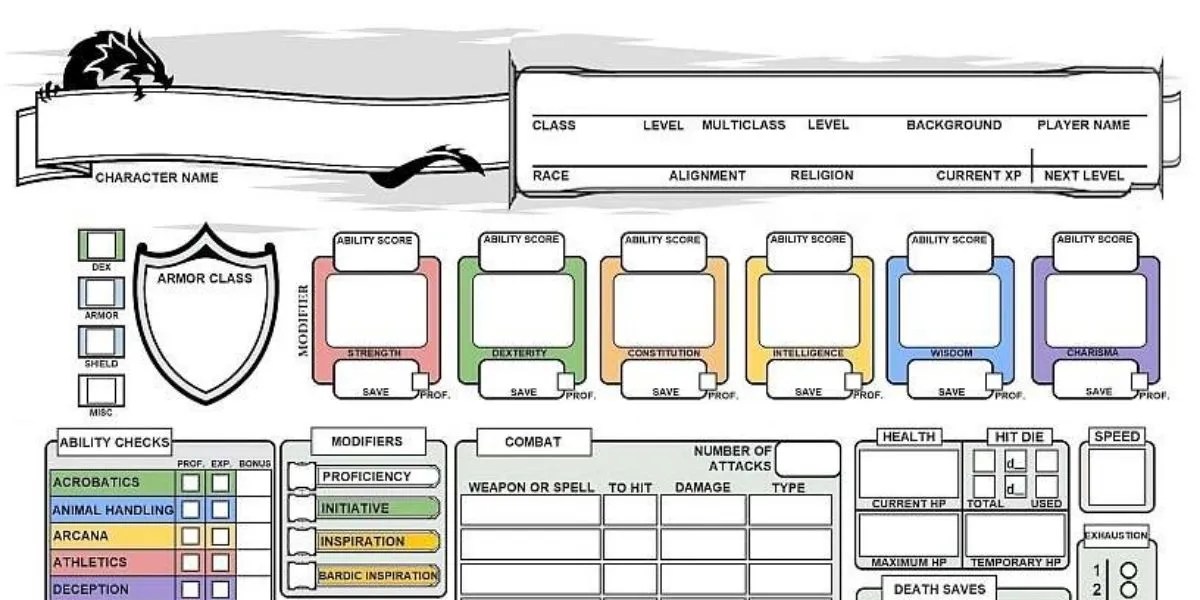
Great DMs have a lengthy checklist of things they needto remember. Monsters alone can be every bit as complex as characters. Making the DM memorize the player’s character sheet is both cold and inefficient. Players will undoubtedly say, “Hey, I would have seen that coming!” and spoil an entire encounter.
Let DM’s know at the beginning of each session what the character’s passive perception is. Players should take ownership of this, that way any sneak attacks can be snuffed our or missed without a big argument over what would have or should have happened.
8Character Backstory
Some players who embark on the journey that isD&Dlike to create amazing backstories for their characters. This can be great because it often means that they are getting into the game and want to keep their character going for a long time.
The downside to this is that some players end up forgetting their character’s backstory, the friends they’ve made, and the previous quests they’ve done. DMs who create their own questlines can sometimes take from a player character’s backstory to help further a campaign. Take notes when meeting new people. Not investing in the character or story isa fate worse than death for most players.

7Ammunition & Components
Ranged attackers and casters have an extra job to do outside of merely dealing damage. Each shot drains some of their ammunition, components, or reserved. Failing to keep track and just assuming infinite ammo or spells is both unfair and ruins the story possibilities for everyone.
RELATED:Most Terrifying Creatures In Dungeons And Dragons

Some characters withneat multiclassing possibilitieswill need to keep track of everything. This can and should be baked into the story; buying arrows and bits and pieces for spells gives the DM new opportunities to introduce exciting NPCs and give out special ingredients.
6Current Health
Getting into battle means that the characters are gonna take some damage. The DM can keep track of a lot, but they already need to keep track of each enemy’s hit points. Why should they need to keep track of the player’s hit points as well? They shouldn’t.
Some players think the DM is able to remember everything, but that definitely isn’t the case. Players need to remember their current hit points so that they know when they die. Forgetting to keep track of this is something that can lead to a few fights and unfair advantages.

5Item Effects
Items are something that every player is going to pick up after battle or exploring a dungeon. Items are plentiful in any quest and should always be remembered. The DM will need to know the item when they put it in the campaign, but once it is in the player’s hands, the DM shouldn’t have to remember it anymore.
The player should remember the name of the item and what it does so the DM doesn’t need to look it up four or five quests later. If it has a critical effect or a benefit that stacks with anawesome background feature, players should bring this u when it’s relevant, not expect the DM to take care of it.

4Dialogue
Encounters are inevitable. Players will run into a shopkeeper or an NPC with information about the quest or general knowledge about the world. Any good DM will come up with dialogue off the top of their head to give to players about the world. This information should be remembered by the players so the DM doesn’t have to keep track of every little thing they say.
The DM is already swamped with all the information they need to remember, so this little bit of information should be handled by the players. Less time repeating dialogue or paraphrasing if the DM doesn’t remember the exact words they used.

3Eating & Sleeping Schedules
There are penalties for failing to sleep or eat right. However, these are largely dependent on race. Beyond race, feats, spells, and magic items can also play a role in how a character will eat and sleep. Players will want to keep track of this schedule.
RELATED:Dungeons & Dragons: The Best Weapons For Bards (& Where They’re Usually Found)

Sometimes the group will befighting weak monstersand forget that the real challenge isn’t the encounter, it’s that hazardous conditions make it difficult to eat or sleep properly. A DM would need to tell players on a case-by-case basis what happens to them; the group really should be figuring this out on their own.
2Swimming & Carrying Capacity
In the same vein as eating and sleeping, donning armor, swimming, and carrying capacity all require strong character knowledge. Is the paladin wearing armor at the time of the ambush? How long can the tiefling swim for? Can the team carry a chest that won’t unlock?
Even in-depth campaigns don’t regularly provide what numbers are needed for the DM. Players will have to figure out what their character was doing at the time and if theirunderpowered subclassescan give them a boost in terms of strength.
1Status Effects
Status effects are a natural part of any battle. Players can get affected by blindness and poison. They can get stunned and dazed. The DM needs to remember when this stuff happens to the enemies, but players should remember when it happens to them. Players also need to remember the effects that are caused by these statuses. A poisoned character takes a disadvantage on attack rolls and ability checks, but a blinded character can’t see and therefore takes a disadvantage on attack rolls and automatically fails checks. This is important for the player to remember.
One Dungeons and Dragonsis in development and scheduled to release in 2024.
